Source pure natural dried lavender sachet for Tea, Aromatherapy, and Crafts
Find 30 listings for pure natural dried lavender sachet sourced from China. Compare specifications including loose tea forms, herbal extracts, and packaging options to identify suitable suppliers for health care and food applications; compare the available evidence and request quotations based on your requirements.
Key considerations
Products List




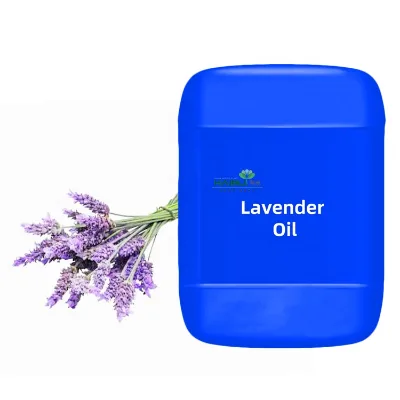
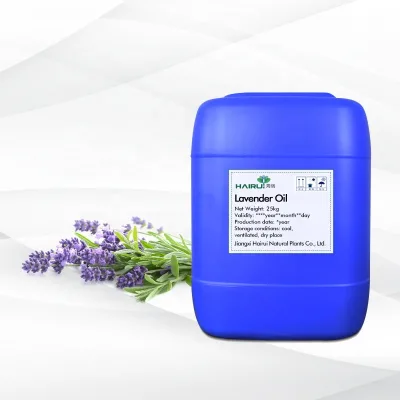


Comprehensive Sourcing Guide
Pure Natural Dried Lavender Sachet Sourcing Guide
Procuring pure natural dried lavender sachets requires distinguishing between whole botanical forms and processed extracts, as the supply chain offers distinct product categories. The observed market data indicates a primary focus on dried whole flowers and petals sourced from regions like Hunan, China, alongside concentrated extracts available in powder or oil forms. Buyers must clarify whether the final sachet requires loose tea-grade botanicals or a specific extract blend, as the physical state of the material dictates the packaging and handling requirements.
Verification of the botanical source is critical, with Lavandula Angustifolia Mill. and Lavandula Angustifolia L. appearing as the dominant species in listings. While some suppliers offer 100% Chinese herbal blends, others specify pure natural dried lavender as the sole ingredient. This distinction impacts the sensory profile and therapeutic application, necessitating that buyers explicitly request the Latin name and botanical form to ensure the sachet meets the intended medicinal or aromatherapy specifications.
Product Scope and Observed Listing Signals
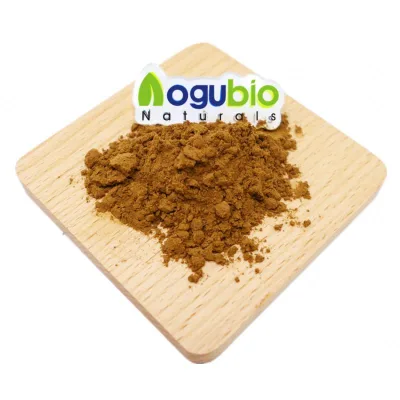
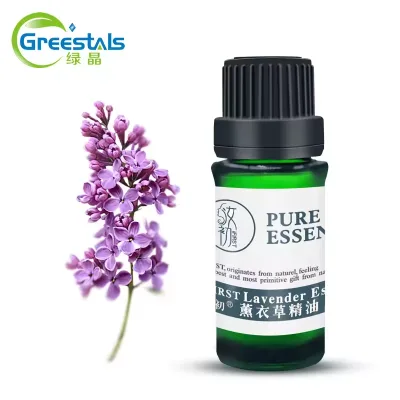
The available product range spans from loose tea-grade dried flowers to concentrated extracts, with forms including whole flowers, dry leaves, and dry petals. Listings frequently describe the material as a white, brown, or light purple fine powder when referring to extracts, whereas the dried botanical form is typically presented as whole flower or dry petal. This variance suggests that a single supplier may offer multiple SKUs, requiring buyers to carefully select the specific physical form that aligns with their sachet filling machinery and end-user expectations.
Commercial signals indicate a wide range of minimum order quantities, with some listings citing 50 kg as a baseline while others suggest flexibility down to 1 unit. Packaging options vary significantly, ranging from aluminum foil bags to drums of 1, 5, or 50 kg, which influences the logistics strategy for bulk procurement. Buyers should note that while free samples are often accepted, the specific model designation, such as "lavender Grade II" or "Lavender Extract," must be confirmed to ensure the product matches the desired purity and application.
Technical Specifications to Verify
Technical verification must begin with the assay method, as the market data highlights both UV and HPLC techniques for determining potency and purity. For extract-based sachets, the standard often references specific ratios like 10:1 or 20:1, which define the concentration of the active botanical material relative to the raw plant. Buyers should request detailed assay reports confirming the specific method used, as this directly correlates to the consistency and efficacy of the final product in health care or food applications.
The physical appearance and state of the material are equally critical, with observations ranging from plant oil to white or brown fine powder. Specifications such as "Dried 100% Lavender" or "Lavender Grade II" serve as key identifiers for the quality tier, but these terms must be cross-referenced with the actual sample provided. Ensuring the product matches the declared state, whether it is a whole flower for tea or a powder for encapsulation, prevents mismatches in the final sachet composition and ensures the product functions as intended.
Compliance and Safety Documentation
Compliance documentation is a primary filter for sourcing, with certifications such as HACCP, ISO, FDA, and KOSHER frequently appearing in supplier listings. The presence of multiple certifications, including USDA Organic and EU Organic, suggests a robust quality management system, but buyers must verify that these certificates are current and specifically cover the batch of dried lavender or extract being purchased. Relying on a general certification without batch-specific validation can lead to regulatory gaps when the product enters the market.
Safety standards also extend to the packaging materials, which are observed to be primarily plastic or aluminum drums and foil bags. For products intended for food or medicine, the packaging must be inert and capable of preserving the shelf life, which is typically listed as two years. Buyers should confirm that the packaging meets the relevant food-grade standards and that the supplier provides documentation proving the materials do not leach harmful substances into the lavender product during storage and transport.
Cost Drivers and Commercial Terms
Cost structures are heavily influenced by the form of the product, with dried whole flowers generally commanding different price points than concentrated extracts or oils. The observed price range of 0.14 to 600 USD reflects the vast difference between raw botanicals and processed, high-purity extracts. Buyers must understand that the unit price is often tied to the concentration ratio and the complexity of the extraction process, making it essential to compare costs based on the active ingredient content rather than just the weight of the raw material.
Commercial terms regarding minimum order quantities and lead times vary significantly, with some suppliers offering flexible MOQs while others enforce strict 50 kg thresholds. The availability of stock, often noted as "In Stock," can expedite delivery, but custom orders may require longer lead times. Buyers should negotiate terms that account for the specific packaging requirements, such as aluminum drums or foil bags, as these add to the overall cost and may impact the final landed price of the sachet components.
Supplier Qualification and Quality Control
Supplier qualification should prioritize those who explicitly state their botanical source and extraction methods, such as using plant sources for extracts or specifying Hunan as the origin for dried herbs. The ability to provide free samples is a strong indicator of supplier confidence, allowing buyers to physically verify the appearance, scent, and texture before committing to a larger order. This step is crucial for validating that the product matches the described specifications, such as the "brown fine powder" or "whole flower" forms observed in the market.
Quality control protocols must include verification of the test methods, specifically HPLC and UV analysis, to ensure batch-to-batch consistency. Suppliers offering customized options should demonstrate a clear process for maintaining quality during the customization phase, whether it involves specific packaging or blending ratios. Buyers should request a quality control plan that outlines how the supplier manages the shelf life and prevents contamination, ensuring the final sachet remains safe for adult consumption or external application.
Long-Term Procurement Checks
Long-term procurement success depends on establishing a consistent supply chain that can maintain the specific botanical standards and certifications over time. Buyers should regularly audit the supplier's ability to source Lavandula Angustifolia from the declared origin and verify that their certifications, such as ISO and FDA, remain valid for the specific product lines. This ongoing verification ensures that the product continues to meet regulatory requirements and maintains the quality standards expected by end consumers.
Monitoring the stability of the product specifications, such as the assay results and physical appearance, is essential for maintaining brand integrity. As the market evolves, suppliers may adjust their extraction ratios or packaging methods, which could impact the final sachet performance. Buyers should implement a system for periodic re-testing and supplier reviews to ensure that the long-term supply remains aligned with the initial quality benchmarks and commercial agreements established at the start of the partnership.
FAQs
What forms of dried lavender are available for sachets?
Whole flower, dry leaf, and dry petal forms are available for sachet production. These forms are derived from Lavandula Angustifolia Mill. and are suitable for loose tea applications. The product is offered as a 100% natural herbal tea with a distinct tea flavor profile for various uses.
Can I get free samples of dried lavender extract?
Free samples are accepted and available for evaluation. The extract is presented as a brown fine powder or light purple powder. It is sourced from plant origins and tested via HPLC methods. This allows buyers to verify quality before committing to bulk orders for health care products.
What certifications are provided for the lavender products?
Products hold HACCP, ISO, FDA, USDA Organic, EU Organic, Kosher, and Halal certifications. These credentials ensure compliance with international standards for food and health care applications. The materials are packed in aluminum drums or foil bags, supporting safe storage and distribution for global supply chains.
What is the minimum order quantity for lavender powder?
The standard minimum order quantity is 50 kg for bulk purchases. However, observed ranges indicate flexibility from 1 to 5000 units depending on the specific product variant. This structure supports both trial orders and large-scale manufacturing needs for capsules, tablets, or direct herbal applications.
Where is the dried lavender sourced from?
The dried lavender is sourced from Hunan, China. The botanical source is Lavandula Angustifolia L., ensuring authentic herbal properties. Products are available in stock with a two-year shelf life. This origin supports consistent supply for medicine and health care product manufacturing requirements.
How is the lavender extract packaged for shipping?
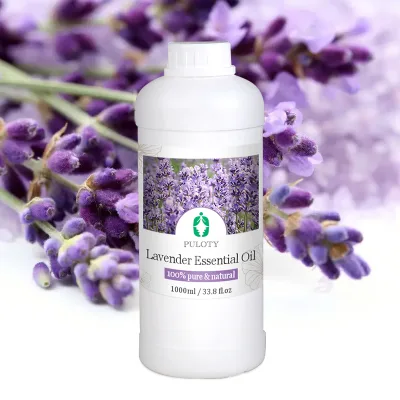
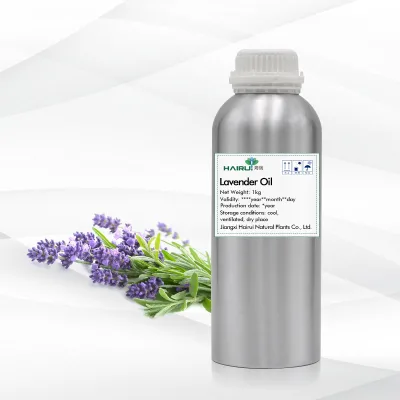
Packaging options include aluminum drums and aluminum foil bags. Standard weights are 1, 5, or 50 kg per unit. This secure packaging protects the powder or oil forms from moisture and contamination. It is designed to maintain the integrity of the 100% natural ingredients during transit and storage.